Article Body
✈️ IndiGo Extends Olive Branch with ₹10,000 Vouchers Following Network Meltdown
The Anatomy of a Crisis: Why India’s Largest Airline Grounded to a Halt
New Delhi, December 11, 2025 — After nearly two weeks of unprecedented operational chaos that stranded thousands of travellers across India, IndiGo, the nation’s dominant low-cost carrier, has announced a significant, voluntary compensation package. The airline confirmed it will issue ₹10,000 travel vouchers to customers deemed "severely impacted" by the mass flight disruptions that crippled its network between December 3rd and 5th.
The move comes as the Directorate General of Civil Aviation (DGCA) intensified its regulatory oversight, ordering the airline to drastically cut its winter schedule by 10% to restore stability. This crisis has exposed the fragility of India’s aviation sector, spotlighting the systemic risk posed by an airline that commands over 60% of the domestic market—a carrier that has become, in the eyes of many experts, "too big to fail."
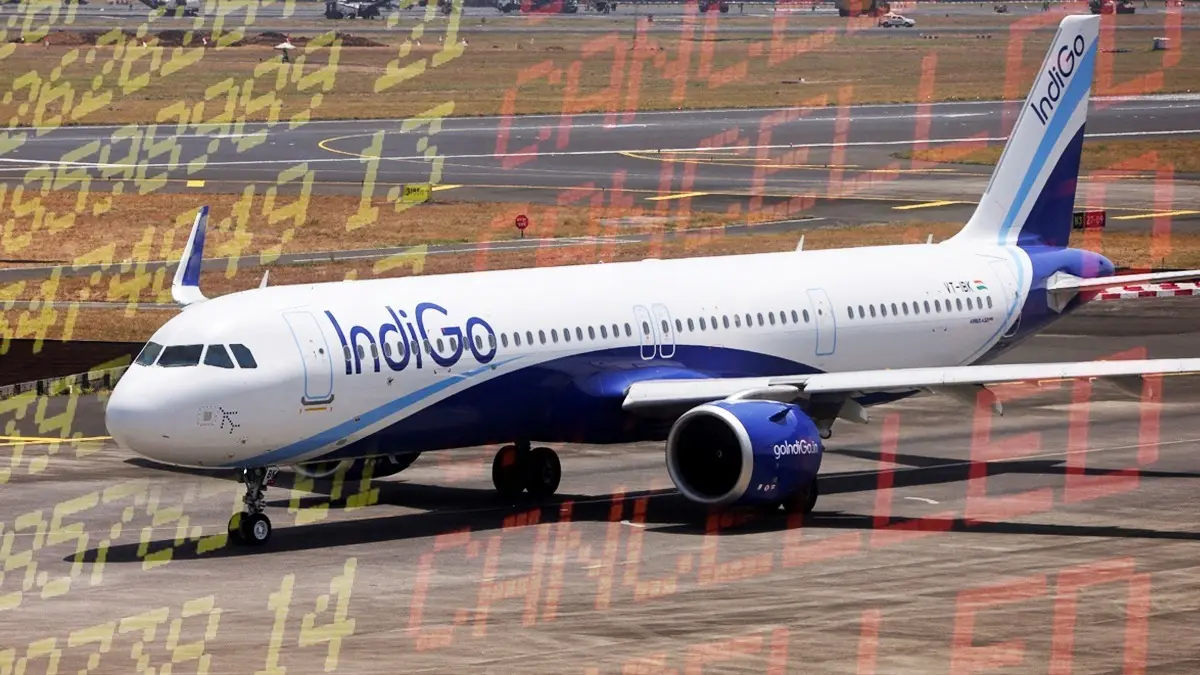
Who, What, When: The Compensation Details
The core announcement centres on an extra layer of financial relief for the most distressed passengers:
-
The Offer: A travel voucher worth ₹10,000.
-
The Beneficiary: Passengers who were "stranded for many hours at certain airports" and "severely impacted by congestion" between December 3 and 5, 2025.
-
Validity: The vouchers are valid for 12 months and can be redeemed against any future IndiGo flight booking.
-
The Distinction: Crucially, this compensation is being offered over and above the mandatory payout required under existing DGCA Civil Aviation Requirements (CAR). These government norms typically mandate a compensation of ₹5,000 to ₹10,000 for cancellations communicated less than 24 hours before departure, depending on the flight’s block time.
By offering this additional, goodwill-based voucher, IndiGo seeks to address the deep customer dissatisfaction caused by the crisis, which went far beyond simple flight cancellations and involved severe hardships at airport terminals nationwide.
— IndiGo (@IndiGo6E) December 11, 2025
The Root Cause: FDTL and the Crew Shortage
The operational crisis was not a result of a one-off technical glitch or a sudden natural disaster. Instead, it emerged from a crucial intersection of regulatory change and alleged strategic missteps by the airline.
Regulatory Tectonic Shift
The primary trigger was the full implementation of Phase II of the DGCA’s revised flight duty time limitations (FDTL) for pilots, which officially came into effect on November 1, 2025. The new rules, aimed at enhancing flight safety and combating pilot fatigue, fundamentally altered crew scheduling mathematics:
-
Extended Rest: The mandatory weekly rest period for pilots was increased from 36 hours to 48 hours.
-
Night Operations: The "night window" was extended, restricting pilots’ continuous flying hours into the early morning.
-
Landing Cap: The number of landings a pilot can perform during the night operation window was drastically cut.
These changes effectively reduced pilot availability by an estimated 15-20% on a weekly basis, a capacity reduction the airline was seemingly unprepared for.
IndiGo's Operational Vulnerability
IndiGo’s success has always been built on a highly efficient, high-utilisation model—keeping aircraft and crew in constant rotation to maximise efficiency and keep costs low. Aviation experts and pilot unions have suggested this lean model, combined with an alleged lack of proactive hiring and rostering adjustments, left the airline with razor-thin crew buffers.
When the stricter FDTL norms kicked in, the system immediately buckled. What started as minor delays quickly compounded into a cascading operational failure, forcing the cancellation of over 2,000 flights in the first week of December, with On-Time Performance (OTP) crashing to as low as single digits in major hubs like Delhi and Mumbai. The crisis hit during the peak winter wedding and holiday travel season, turning airport terminals into scenes of distress and anger.
The View from the Terminal: Passenger Trauma
The human cost of the operational meltdown was immense. While the new ₹10,000 voucher is a welcome financial gesture, it cannot erase the trauma experienced by thousands of passengers during the chaos.
Reports from major metropolitan airports painted a grim picture:
-
Stranded and Sleepless: Passengers, including families with young children and medical patients, were reportedly stranded for 24-48 hours with minimal communication or support.
-
Communication Breakdown: The airline's customer service call centres became unreachable, and the automated system reportedly failed under the massive load.
-
Financial Fallout: Airfares on alternative carriers—including those operated by competitors—skyrocketed to over ₹40,000 on high-demand routes as desperate passengers sought last-minute bookings.
-
Missed Milestones: There were heartbreaking reports of travellers missing critical life events, including weddings, funerals, and crucial medical appointments, highlighting the real-world consequences of the corporate failure.
The apology issued by IndiGo CEO Pieter Elbers was followed by a DGCA show-cause notice, underscoring the regulator's view that the disruption was caused by “significant lapses in planning, oversight, and resource management.”
The Regulatory Hammer: DGCA’s Unprecedented Intervention
The scale of the disruption warranted an immediate and forceful regulatory response. The DGCA, responsible for the safety and compliance of India’s skies, took multiple steps:
-
Schedule Cut Mandate: The most significant step was the instruction for IndiGo to cut its flight schedule by 10% throughout the winter season. This is a severe measure designed to recalibrate the airline’s operational scale to its actual, FDTL-compliant crew strength, forcing stability back into the system.
-
CEO Summoned: CEO Pieter Elbers was summoned by the regulator to explain the failure to plan for the long-announced FDTL rules.
-
Waivers and Capping: The Ministry of Civil Aviation was forced to intervene in the market, invoking powers to cap airfares on affected routes to prevent predatory pricing by other airlines. Furthermore, the Indian Railways announced special train services to assist stranded passengers on busy corridors.
In an uncomfortable display of the airline’s market dominance, the DGCA was eventually compelled to grant a temporary exemption to IndiGo from some of the stricter FDTL provisions until February 10, 2026. This rollback was not an admission that the safety rules were flawed, but a tacit acknowledgement that India's economy could not afford to let its largest aviation spine remain crippled.
Conclusion: A Costly Lesson in Operational Resilience
IndiGo's latest announcement of the ₹10,000 travel voucher is a step toward making amends for a crisis that has profoundly damaged its reputation for reliability and on-time performance—a badge of honour the airline wore for years.
The crisis serves as a stark warning to the entire Indian aviation industry. While IndiGo's low-cost model delivered rapid growth and market leadership, the December 2025 meltdown proved that an operational model optimised solely for cost-efficiency can lack the necessary resilience to withstand regulatory or operational stress.
The path to full recovery will be long. The airline must now diligently implement its revised, capacity-reduced schedule, rebuild passenger trust, and—most importantly—demonstrate a fundamental commitment to safety and compliance, ensuring that its crew rostering fully adheres to the spirit and letter of the new FDTL rules. For the travelling public, the voucher offers future relief, but the deeper question remains: In a market dominated by a single player, can operational efficiency ever truly take a backseat to passenger welfare and safety? The DGCA’s regulatory scrutiny suggests the answer must be a resounding no.
Would you like me to find out the current On-Time Performance (OTP) status of IndiGo flights across India's major airports following the 10% capacity cut?

Comments